REQUEST A QUOTE

/Insights
The Rise of Smart Building Technologies for Energy Management
Understanding Smart Building Technologies
As energy efficiency and sustainability become priorities for businesses, smart building technologies are increasingly being adopted to optimise energy management. These technologies leverage automation, data analytics, and artificial intelligence to enhance building performance, reduce operational costs, and minimise environmental impact.
By integrating smart building IoT (Internet of Things) devices, sensors, and cloud-based analytics, businesses can gain real-time insights into energy consumption patterns and take proactive measures to improve efficiency. With stricter regulations on energy use and sustainability, the demand for smart building management systems has grown significantly across the UK.
How Smart Building Technologies Improve Energy Management
1. Real-Time Energy Monitoring and Analytics
One of the key benefits of smart building technologies is real-time energy monitoring. Advanced sensors and IoT devices collect data on electricity, heating, cooling, and water consumption. This information is then analysed to identify inefficiencies and suggest corrective actions, helping businesses reduce waste and lower energy costs.
2. Automated Energy Optimisation
By integrating automation with AI-driven algorithms, smart building management systems adjust lighting, heating, ventilation, and air conditioning (HVAC) based on occupancy and external conditions. This ensures that energy is only used when needed, significantly reducing consumption without compromising comfort.
3. Predictive Maintenance and Fault Detection
Traditional maintenance methods rely on scheduled inspections, often leading to unnecessary servicing or unexpected breakdowns. Smart building technology enables predictive maintenance by using IoT sensors to monitor equipment health and detect anomalies. This allows building managers to address potential issues before they escalate, reducing downtime and repair costs.
The Role of Smart Building IoT in Energy Efficiency
1. IoT-Enabled Smart Meters
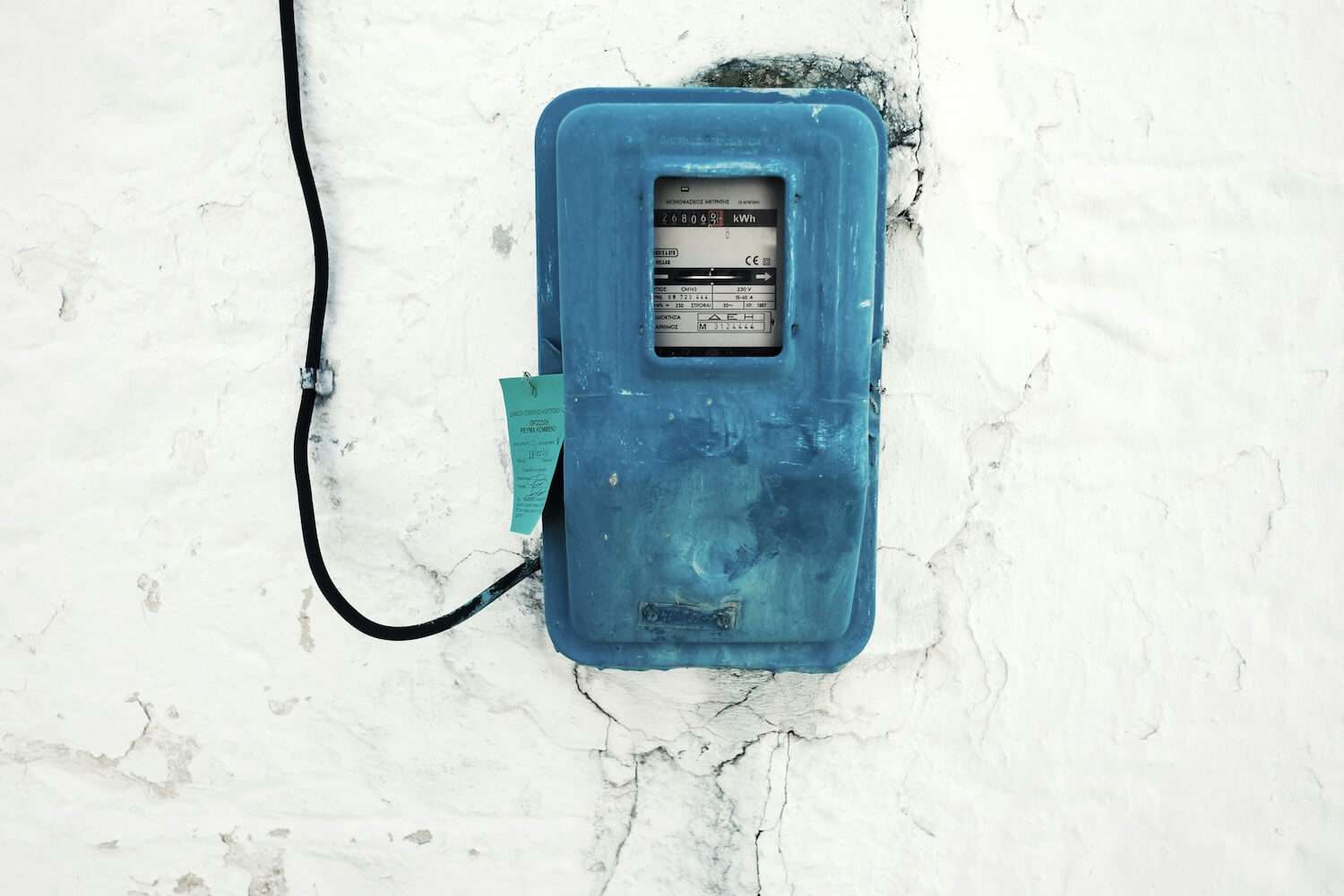
IoT-enabled smart meters provide granular insights into energy consumption patterns, enabling businesses to track and manage energy use more effectively. These meters can also send real-time alerts in case of abnormal energy spikes, helping to prevent unnecessary waste.
2. Smart Lighting and HVAC Systems
Automated lighting and HVAC systems, powered by smart building IoT, adjust settings based on occupancy and external conditions. Motion sensors ensure that lights and heating systems are only active in occupied spaces, significantly reducing energy expenditure.
3. Demand Response Integration
A major advantage of smart building technologies is their ability to integrate with demand response programmes. These systems automatically adjust energy usage based on grid demand, helping businesses take advantage of lower energy rates during off-peak hours while supporting overall grid stability.
The Future of Smart Building Management Systems
1. AI-Driven Decision Making
With advancements in artificial intelligence, smart building management systems are becoming more intuitive. AI can analyse vast amounts of data to predict energy consumption trends and suggest optimised operational strategies.
2. Enhanced Security and Data Privacy
As more devices become connected through smart building IoT, ensuring cybersecurity and data privacy is crucial. Future smart building solutions will incorporate advanced encryption and security protocols to safeguard sensitive information.
3. Increased Adoption Across Industries
From commercial office spaces to industrial facilities, the adoption of smart building technologies is expanding. Government initiatives and incentives for energy-efficient buildings are encouraging more businesses to invest in these solutions.
Final Thoughts
The rapid advancement of smart building technologies is transforming how businesses manage energy consumption. By leveraging smart building IoT and smart building management systems, organisations can enhance efficiency, reduce costs, and contribute to a more sustainable future. As technology continues to evolve, the potential for intelligent, energy-efficient buildings will only grow.
Vital Direct offers a full range of commercial property services to help you increase your asset’s value, including advice on the Energy Savings Opportunity Scheme, undertaking Fire Risk Assessments, and providing Commercial EPC assessments, along with a myriad of other services to help you improve your sustainability, and lower your costs – for more information, get in touch with us.