REQUEST A QUOTE

/Insights
A Beginner’s Guide to Green Building Certifications in the UK
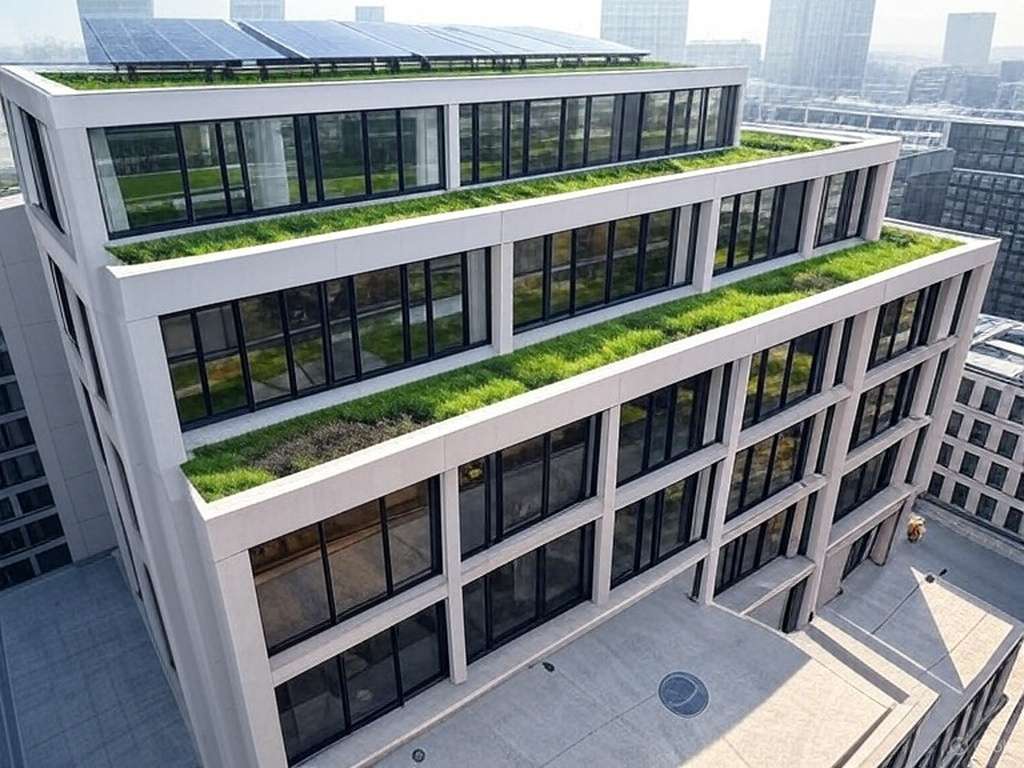
What Are Green Building Certifications?
Green building certifications are essential for ensuring that buildings meet high environmental and energy efficiency standards. These certifications help property developers, businesses, and homeowners demonstrate their commitment to sustainability while also improving the overall performance and value of their buildings.
In the UK, various green building certifications exist to measure and validate a building’s energy efficiency, carbon footprint, and overall environmental impact. Obtaining a recognised certification can enhance a property’s reputation, contribute to sustainability goals, and result in significant financial benefits.
Why Green Building Certifications Matter
With increasing awareness of climate change and stricter environmental regulations, businesses and property owners must consider sustainable building practices. Green building certifications not only help in reducing carbon emissions but also lead to lower operational costs through improved energy efficiency. Additionally, certified buildings tend to attract environmentally-conscious tenants and buyers, increasing marketability and value.
Popular Green Building Certifications in the UK
1. BREEAM Certification
One of the most recognised green building certifications in the UK is BREEAM (Building Research Establishment Environmental Assessment Methodology). This certification assesses a building’s sustainability based on factors such as energy efficiency, water usage, pollution, and health & wellbeing. BREEAM-certified buildings are rated on a scale from Pass to Outstanding.
2. LEED Certification
LEED certification (Leadership in Energy and Environmental Design) is a globally recognised green building certification that is gaining popularity in the UK. It provides a framework for sustainable building design, construction, and operation. LEED-certified buildings are classified into four levels: Certified, Silver, LEED Gold certification, and Platinum, based on the number of points achieved.
LEED Certification Requirements
To obtain LEED certification, buildings must meet specific criteria related to energy efficiency, water conservation, indoor air quality, and material selection. The certification process involves a detailed assessment by the LEED accreditation body, ensuring that the building adheres to the sustainability standards outlined by the U.S. Green Building Council (USGBC).
3. Passivhaus Standard
The Passivhaus Standard focuses on reducing energy consumption through superior insulation, airtight construction, and efficient ventilation systems. Although originally developed in Germany, this certification is widely used in the UK for residential and commercial buildings aiming for ultra-low energy use.
4. WELL Building Standard
The WELL Building Standard is another certification that considers not only environmental factors but also occupant health and well-being. It evaluates aspects such as air quality, lighting, fitness, and mental well-being within a building.
How to Obtain a Green Building Certification
Step 1: Identify the Right Certification
Before starting the certification process, it is important to choose the right one based on the building type, sustainability goals, and regulatory requirements. Green building certifications such as BREEAM and LEED certification cater to different aspects of sustainability.
Step 2: Meet the Certification Requirements
Each certification has specific criteria that must be met. For example, LEED certification requirements include energy efficiency measures, sustainable material use, and improved indoor air quality.
Step 3: Work with Accredited Professionals
For certifications like LEED accreditation, working with certified professionals ensures compliance with the necessary standards. Accredited assessors guide building owners through the evaluation and documentation process.
Step 4: Submit Documentation and Assessments
The final step involves submitting detailed documentation and undergoing third-party assessments to verify compliance. Once approved, the building receives its certification, which can be displayed to showcase its sustainability credentials.
Benefits of Green Building Certifications
1. Energy Efficiency and Cost Savings
Certified buildings are designed to consume less energy, resulting in lower utility bills and reduced carbon emissions.
2. Improved Market Value
Buildings with green building certifications often have higher market value and attract environmentally conscious tenants and investors.
3. Compliance with Regulations
Many UK regulations encourage or require sustainable building practices, and certification helps in meeting these legal requirements.
4. Enhanced Occupant Health
Certifications like the WELL Building Standard ensure better indoor air quality, lighting, and ventilation, leading to improved occupant health and productivity.
Conclusions
Pursuing green building certifications is a smart investment for businesses and property owners looking to reduce environmental impact and enhance long-term sustainability. Whether opting for LEED accreditation, BREEAM, or another certification, the process ensures compliance with high environmental standards while offering numerous financial and social benefits.
For businesses in the UK looking to adopt green building practices, obtaining the right certification is a step towards a more sustainable future – get in touch with Vital Direct today for more information on how we can help.