REQUEST A QUOTE

/Insights
Eco-Friendly Building Materials: A Guide for Sustainable Property Upgrades
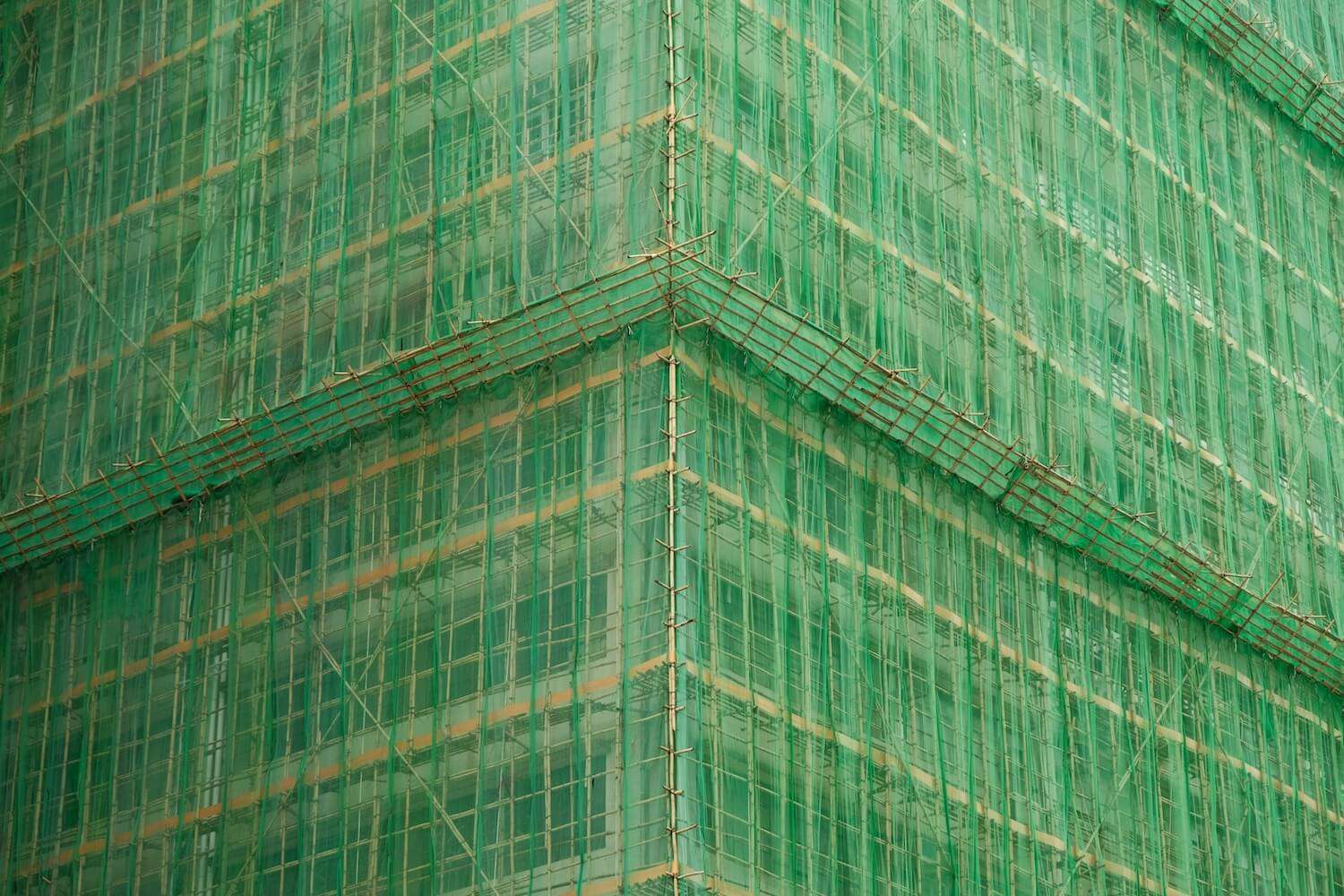
In today’s rapidly evolving commercial landscape, the imperative for sustainability has never been clearer. The adoption of sustainable building materials not only mitigates environmental impact but also enhances the long-term value and efficiency of commercial properties. This guide delves deeper into the latest in sustainable construction materials, providing property managers and developers with comprehensive insights into making informed choices for upgrades that align with eco-friendly principles.
The Rise of Sustainable Materials in Architecture
The architecture industry has witnessed a paradigm shift towards materials that are not just functional but also environmentally responsible. Sustainable materials architecture has become a pivotal focus for new constructions and renovations, aiming for a balance between aesthetics, durability, and ecological benefits. These materials are chosen for their life cycle assessment, ensuring they contribute positively to the environment from production to disposal. The movement towards sustainability in architecture is not merely a trend but a necessary adaptation to global environmental challenges.
Why Choose Sustainable Building Materials?
Sustainable building materials offer several compelling benefits that extend beyond the immediate environmental impact:
- Reduced Carbon Footprint: Materials like recycled steel or bamboo can drastically lower the carbon emissions associated with construction. For instance, bamboo, with its rapid regrowth cycle, can sequester carbon at a rate that far exceeds many traditional materials.
- Energy Efficiency: Incorporating materials that provide superior insulation leads to significant energy savings, crucial in the context of the Energy Savings Opportunity Scheme. Enhanced insulation means less energy is needed for heating or cooling, directly impacting operational costs. With the ramping up of the commercial Minimum Energy Efficiency Standards (MEES) and the governments proposal of a grade B by 2030, commercial landlords should pay particular attention to the walls and roofs of their rental buildings in order to improve the EPC grade and reduce running costs.
- Healthier Work Environments: Low-VOC (volatile organic compounds) materials improve indoor air quality, which is essential for employee well-being. This consideration is particularly important in office spaces where people spend a significant portion of their day.
Key Sustainable Construction Materials
Choosing the right materials for upgrades or new constructions can significantly influence the environmental footprint of the project. Here’s a closer look at some top choices:
Recycled and Reclaimed Materials
- Recycled Steel: Steel can be recycled infinitely without loss of quality, making it an ideal choice for structural elements in commercial buildings, reducing the need for new steel production.
- Reclaimed Wood: Utilizing wood from old buildings or salvaged sources not only reduces deforestation but also adds a unique character to the space, appealing to those looking for authenticity and sustainability in their projects.
Eco-Friendly Insulation
- Cellulose Insulation: Made from recycled paper, this insulation offers excellent thermal performance, is fire-retardant when treated, and helps in reducing waste in landfills.
Durable and Renewable
- Bamboo: Known for its rapid growth, bamboo serves as an excellent alternative to traditional wood, offering both strength and sustainability. Its versatility makes it suitable for everything from flooring to structural beams.
Integrating Environmentally Friendly Building Materials
The integration of environmentally friendly building materials into commercial properties involves more than just selecting the right products. It requires a holistic approach to design, construction, and management:
Design Considerations
- Lifecycle Assessment: Evaluating materials not just for their immediate benefits but for their entire lifecycle impact is crucial. This includes considering the energy used in manufacturing, the longevity of the material, and its end-of-life recyclability.
- Local Sourcing: Opting for materials that are sourced nearby can reduce transportation emissions significantly. This not only lowers the carbon footprint but also supports local economies, fostering a community-centric approach to sustainability.
Management and Maintenance
- Regular Assessments: Engage services like Fire Risk Assessments to ensure that new materials do not compromise safety while providing environmental benefits.
- Energy Audits: Partner with a Commercial EPC Provider like Vital Direct Limited to assess and enhance energy performance post-upgrade, ensuring that the building operates at peak efficiency. It’s crucial for commercial landlords to commission a Draft Predicted EPC at the design stage to ensure a high graded EPC. Vital have successfully provided this service to clients for almost 20 years!
Challenges and Solutions
While the path to sustainability is clear, it comes with its challenges:
Cost vs. Benefit
Initially, sustainable construction materials might present a higher upfront cost. However, through long-term savings in energy, maintenance, and potential tax benefits or green building certifications, the investment often proves worthwhile.
Availability and Skill
Not all regions have easy access to these materials, and there’s a learning curve in their application. Training for construction teams and architects is crucial to leverage these materials effectively. Companies like Vital Direct Limited can provide consultancy to bridge these gaps.
Balancing Aesthetics with Sustainability
Designing with sustainable materials while maintaining or enhancing the aesthetic value of a property can be challenging. It requires creativity, innovation, and sometimes a departure from traditional design norms, embracing the natural beauty and unique textures of eco-friendly materials.
Future Outlook
The future of commercial property upgrades lies in further innovation and adoption of eco-friendly building materials. As technology advances, we can expect materials that not only reduce environmental impact but also offer superior performance, aesthetics, and integration into smart building systems. The industry is moving towards materials that can adapt, heal, or even clean the environment, heralding a new era of green architecture.
In conclusion, the move towards sustainable building practices in commercial settings is not just a trend but a necessary evolution. By choosing sustainable building materials, businesses can play a pivotal role in advancing environmental stewardship while reaping economic benefits. Vital Direct Limited stands at the forefront of this transformation, providing services that align with these sustainable goals, ensuring that your commercial properties not only look good but also do good for the planet.