REQUEST A QUOTE

/Insights
Best ROI Energy Efficiency Improvements for EPC B 2031
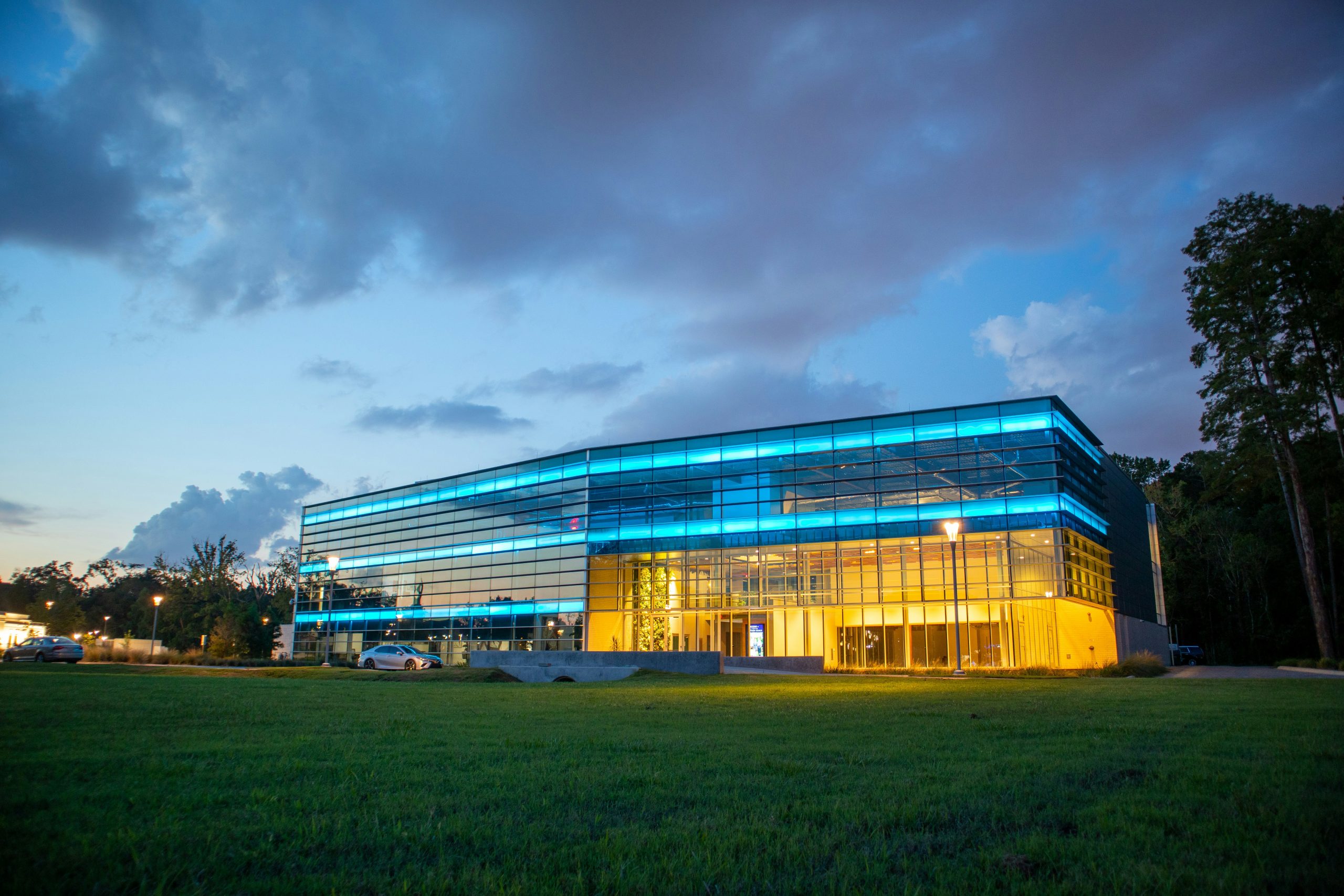
As the commercial property sector prepares for the proposed Energy Performance Certificate (EPC) B requirement by 2031, many landlords, property owners and asset managers face a common challenge: how do you improve energy performance without committing unnecessary capital expenditure?
With increasing pressure from Minimum Energy Efficiency Standards (MEES), investor Environmental, Social and Governance (ESG) requirements, rising energy costs and occupier demand for sustainable buildings, improving energy efficiency is no longer simply a compliance exercise. It is an investment decision.
The most successful commercial property owners are not asking which improvements deliver the biggest EPC uplift. They are asking: which improvements deliver the best return on investment?
Understanding this distinction can significantly reduce the cost of achieving EPC B while protecting long-term asset value and improving portfolio resilience.
Why Return on Investment Matters More Than Ever
Many commercial buildings will require upgrades before 2031 to meet proposed energy efficiency requirements. However, not every improvement delivers the same financial return.
Some measures provide rapid payback, immediate energy savings and meaningful EPC improvements. Others involve substantial capital expenditure while delivering more modest performance gains.
For portfolio owners, the objective should be to prioritise low-cost, high-impact interventions first before considering larger capital projects. This phased approach often delivers the most cost-effective route to compliance, decarbonisation and long-term asset performance.
1. LED Lighting Upgrades
LED lighting remains one of the most effective energy efficiency measures available to commercial property owners. The reasons are straightforward:
- Relatively low installation costs
- Immediate reduction in electricity consumption
- Lower maintenance requirements
- Improved building efficiency ratings
- Fast payback periods, often between 2 to 4 years
For many office buildings, lighting upgrades can deliver measurable EPC improvements with comparatively modest investment. When implemented across an entire portfolio, the cumulative energy savings can be substantial.
For landlords seeking early progress towards EPC B, LED lighting is often one of the first measures worth evaluating.
2. Building Controls and Optimisation
One of the most overlooked opportunities within commercial property portfolios is building controls optimisation. Many buildings already contain systems capable of operating more efficiently, yet controls are often poorly configured or underutilised.
Common opportunities include:
- Optimising heating and cooling schedules
- Improving occupancy-based controls
- Reducing out-of-hours energy consumption
- Enhancing Building Management System (BMS) settings
- Improving temperature control strategies
- Implementing automated lighting controls
The key advantage is that these improvements frequently require minimal capital expenditure while delivering meaningful energy performance gains. In some cases, simple re-programming of existing systems can reduce energy consumption by 10-20%.
For asset managers seeking strong returns with limited investment, controls optimisation often represents one of the highest ROI opportunities available.
3. Air Tightness Improvements
Air leakage remains a hidden source of energy waste in many commercial buildings. Improving air tightness can reduce heating and cooling demand, improve occupant comfort and contribute to better overall building performance.
Typical measures may include:
- Sealing gaps around doors and windows
- Improving service penetrations
- Addressing building envelope leakage
- Enhancing entrance strategies such as draught lobbies
- Upgrading door seals and closers
Whilst these interventions are not always visible to occupiers, they can deliver significant operational benefits and support wider energy reduction objectives. Air tightness testing can identify specific areas where leakage is most severe, allowing targeted interventions.
As part of a broader EPC improvement strategy, air tightness measures often provide attractive returns relative to cost, with payback periods typically ranging from 3 to 7 years.
When Higher-Cost Improvements Become Necessary
Whilst low-cost measures should generally be prioritised first, some buildings will require deeper interventions to achieve EPC B by 2031. This is particularly true for older office buildings and assets with ageing building services.
HVAC Replacement
Heating, Ventilation and Air Conditioning (HVAC) systems can account for a significant proportion of building energy use. Replacing inefficient systems with modern, high-efficiency alternatives can deliver major performance improvements but often requires substantial capital investment.
Modern HVAC systems offer improved energy efficiency, better control capabilities and reduced maintenance costs. However, payback periods may extend to 10-15 years depending on the building and existing system condition.
Major Fabric Improvements
Wall insulation, roof upgrades and glazing improvements may be necessary for certain buildings. Whilst these measures can significantly improve building performance, they typically involve longer payback periods and higher upfront costs.
For this reason, they are often best aligned with planned refurbishment cycles, lease events or major asset repositioning projects. This allows landlords to spread costs and maximise the overall benefit of building improvements.
The Most Cost-Effective Approach to EPC B
One of the biggest mistakes commercial property owners make is jumping directly to expensive capital projects without first addressing lower-cost opportunities. A more effective strategy is typically:
Phase 1: Quick Wins
- LED lighting upgrades
- Controls optimisation
- Air tightness improvements
- Operational efficiency measures
- Low-cost fabric repairs
Phase 2: Strategic Planning
- EPC modelling and scenario testing
- Capital expenditure forecasting
- Portfolio prioritisation based on compliance risk
- Decarbonisation road mapping
- Cost-benefit analysis across assets
Phase 3: Major Interventions
- HVAC replacement and modernisation
- Electrification strategies including heat pumps
- Fabric improvements to walls, roofs and glazing
- Net Zero in Operation initiatives
- Renewable energy integration
This phased approach allows landlords to maximise return on investment while maintaining flexibility as regulations and market expectations continue to evolve. It also spreads capital expenditure over multiple budget cycles, making compliance more financially manageable.
MEES 2031 Is Driving a New Investment Mindset
The proposed EPC B requirement by 2031 is changing how commercial property owners approach energy efficiency. The conversation is no longer simply about compliance.
It is about protecting asset value, maintaining lettability, reducing operational costs and ensuring long-term portfolio resilience. Buildings with poor energy performance are increasingly seen as higher-risk investments by purchasers, lenders and institutional investors.
The most successful landlords are not waiting until the end of the decade to make decisions. They are identifying the highest ROI opportunities today and building long-term improvement plans around them.
Why Owners of Smaller Commercial Buildings Should Not Ignore MEES
One of the most common misconceptions in the market is that only larger commercial properties need to be concerned about future energy efficiency regulations.
Current Government proposals focus primarily on larger rented commercial buildings (typically above 1,000 square metres). However, property owners should be cautious about assuming that smaller assets will remain unaffected over the long term.
Historically, energy efficiency regulation has evolved progressively, with standards tightening over time as the Government works towards wider carbon reduction objectives. The original MEES regulations introduced in 2018 initially applied to new lettings before extending to existing tenancies.
For portfolio owners, the key consideration should not simply be whether a building currently falls within a specific regulatory threshold. The more important question is: will this asset remain attractive to occupiers, investors and lenders over the next decade?
Buildings with poor energy performance face a number of potential challenges regardless of size, including:
- Reduced tenant demand as occupiers prioritise energy-efficient space
- Higher operating costs impacting service charge competitiveness
- Increased refurbishment requirements to maintain market position
- Lower investment appeal and valuation impact
- Future compliance uncertainty as regulations expand
- Difficulty securing green financing
Forward-thinking landlords are therefore assessing their portfolios as a whole rather than separating buildings into those currently affected by regulation and those that are not.
By taking a portfolio-wide approach, property owners can align improvement programmes, spread capital expenditure over longer periods and avoid the risk of reactive investment should future regulations expand.
The most resilient portfolios are those that prepare for the direction of travel rather than simply responding to today’s minimum requirements.
Understanding Your Starting Point
Before prioritising improvements, commercial property owners need to understand the current performance of their assets. An up-to-date Energy Performance Certificate provides the baseline from which to plan cost-effective improvement strategies.
Many landlords discover that their buildings are closer to EPC B than initially thought, requiring only targeted interventions rather than wholesale refurbishment. Others identify specific systems or building elements that are significantly underperforming.
Vital Direct provides Energy Performance Certificates across all commercial property types, helping landlords establish accurate baseline performance data and compliance status.
Advanced Planning with EPC Plus and Decarbonisation Reports
Standard EPCs identify improvement opportunities but do not provide detailed cost-benefit analysis or strategic planning support. For commercial property owners managing compliance deadlines and capital expenditure budgets, more detailed advisory services are often required.
Vital Direct’s EPC Plus reports provide cost-benefit modelling, payback period analysis and scenario testing to help landlords identify the most cost-effective route to EPC B and beyond. These reports support strategic planning by:
- Modelling multiple improvement scenarios
- Forecasting capital expenditure requirements
- Identifying quick wins versus long-term projects
- Supporting investment committee decision-making
- Aligning energy improvements with refurbishment cycles
For portfolio owners planning decarbonisation pathways towards Net Zero in Operation, these reports provide the evidence base needed to prioritise investment across multiple assets.
How Vital Direct Supports Commercial Property Compliance
At Vital Direct, we help commercial property owners, landlords and asset managers understand the most cost-effective route to achieving EPC B, supporting decarbonisation goals and preparing for Net Zero in Operation.
Our services for commercial property portfolios include:
- Energy Performance Certificates (EPCs) for offices, retail, industrial and specialist commercial buildings
- EPC Plus advisory reports identifying where investment will deliver the greatest impact
- Decarbonisation reports for long-term Net Zero planning
- Display Energy Certificates (DECs) for public authority and institutional buildings
- Air Conditioning Inspections (TM44) ensuring HVAC compliance under the Energy Performance of Buildings Regulations
Our advisory approach helps clients prioritise upgrades, forecast capital expenditure and develop practical improvement pathways across individual assets and entire portfolios.
The objective is not to spend more. It is to spend smarter. And with 2031 approaching, the best time to start planning is now.
To discuss your commercial property compliance requirements or arrange an EPC Plus advisory report, contact Vital Direct or call 0345 111 7700.