REQUEST A QUOTE

/Insights
Net Zero in the Commercial Rental Market: The Future Is Now
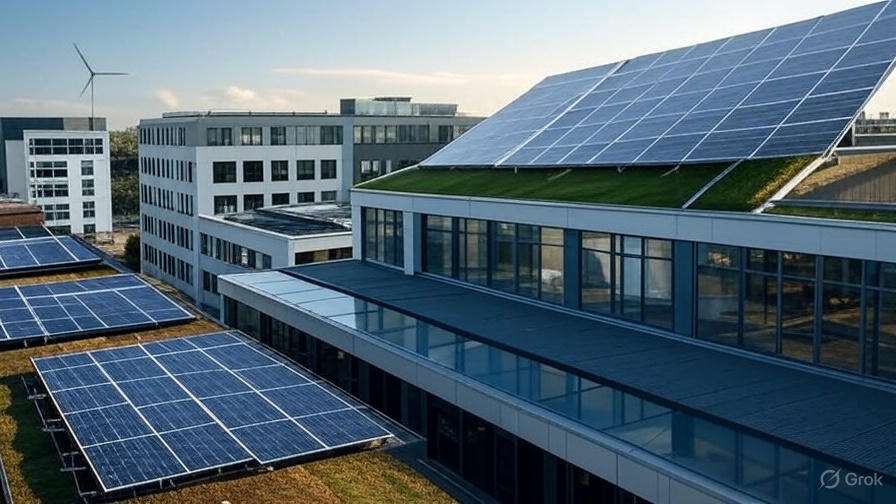
What is net zero in the commercial rental market? It’s the shift towards buildings that balance energy consumption with renewable production, driving sustainability and value in UK real estate. As global pressures mount, net zero commercial real estate is no longer optional, it’s essential for compliance, cost savings, and competitive edge. This transformation affects landlords, tenants, and investors, with net zero buildings leading the charge in reducing emissions and enhancing resilience.
In the UK, where commercial buildings account for a significant portion of carbon footprints, embracing net zero commercial real estate means integrating energy efficiency, renewables, and smart tech. Key drivers include corporate ESG commitments, regulatory mandates, and market demands for carbon neutral commercial buildings. With sustainability in the commercial rental market gaining traction, properties achieving net zero status attract premium tenants and higher valuations. ESG in commercial property is reshaping investments, making low-carbon assets a priority.
Why Net Zero Matters in Commercial Real Estate
The push for net zero commercial real estate stems from urgent environmental and economic imperatives. Buildings worldwide contribute around 39% of energy-related carbon emissions.worldgbc.org In the UK, this figure aligns closely, with commercial sectors under scrutiny as the government targets net zero by 2050. Imagine a bustling office tower in London leaking energy through outdated systems, it’s not just wasteful; it’s a liability in a market rewarding efficiency.
Corporate tenants face mounting pressure to align with science-based targets. Many FTSE 100 companies now prioritise leases in net zero buildings to bolster their ESG profiles. For instance, a recent survey by Savills highlighted that 70% of occupiers seek spaces supporting their sustainability goals. This shift isn’t mere virtue signalling; it translates to tangible benefits like reduced operational costs and enhanced brand reputation.
Investors, too, are pivoting. Real estate funds increasingly screen for ESG in commercial property, shunning high-emission assets at risk of becoming stranded. Regulatory drivers amplify this: the UK’s Minimum Energy Efficiency Standards (MEES) already ban rentals of properties below an E EPC rating, with stricter rules looming. By 2030, all non-domestic rented buildings must hit B ratings or better. Net zero commercial real estate offers a hedge against these changes, ensuring long-term viability.
Market advantages shine through. Properties with net zero credentials command premiums, up to 10% higher rents, per CBRE data. Longer leases and lower vacancy rates follow, as tenants flock to spaces that cut bills and emissions. In a volatile economy, this resilience makes net zero buildings a smart bet.
What Makes a Building Net Zero?
Achieving net zero in commercial real estate demands a holistic approach, blending design, technology, and operations. At its core, a net zero building generates as much renewable energy as it consumes annually, often verified through certifications like BREEAM or LEED.
Start with energy efficiency. High-performance insulation, triple-glazed windows, and passive solar designs slash demand. Smart HVAC systems adjust in real-time, while LED lighting with sensors minimises waste. Consider a warehouse retrofitted with these features: energy use could drop 30-50%, per IEA estimates. iea.org
Onsite renewables are pivotal. Solar photovoltaic panels on rooftops, geothermal heat pumps, and wind turbines supply clean power. Battery storage smooths fluctuations, ensuring reliability. In urban settings, where space is tight, innovative solutions like building-integrated photovoltaics shine.
Smart management ties it together. Building Management Systems (BMS) use AI to optimise usage, predicting needs based on occupancy and weather. IoT sensors track everything from air quality to energy flows, enabling proactive tweaks.
When onsite generation falls short, high-quality carbon offsets or Renewable Energy Certificates (RECs) bridge the gap. These must be credible, think verified projects like reforestation or renewable grids, to avoid greenwashing accusations.
Companies like Vital Direct Limited play a key role here, offering specialised services to elevate EPC ratings from G to A. Their expertise in commercial EPC services ensures buildings meet net zero standards efficiently.
Net Zero: A Win for All Stakeholders
Net zero commercial real estate delivers multifaceted wins, creating value across the board. Let’s break it down.
Landlords and Developers
For property owners, net zero is about futureproofing. Compliant assets dodge fines and obsolescence, while attracting green finance, think lower-interest loans from ESG-focused lenders. Developers incorporating net zero from the blueprint stage see faster approvals and higher sell-on values.
Green leases, where tenants share sustainability goals, foster partnerships. A case in point: London’s Canary Wharf, where net zero retrofits have lured tech giants, boosting occupancy.
To explore energy compliance services that support this, visit Vital Direct’s offerings.
Corporate Tenants
Tenants reap operational rewards. Net zero buildings slash utility bills, savings of 20-30% aren’t uncommon, freeing funds for core business. They also aid in meeting Scope 3 emissions targets, encompassing leased spaces.
Employee appeal surges too. Modern, healthy environments with superior air quality and natural light boost productivity. Brands showcasing occupancy in carbon neutral commercial buildings enhance their image, appealing to eco-conscious clients and talent.
Investors
Portfolio resilience is key. Low-carbon assets mitigate risks from carbon pricing or market shifts. Improved GRESB ratings attract institutional money, with sustainable funds growing 15% annually.
Long-term ROI improves as net zero properties hold value better. A Deloitte report notes that ESG in commercial property can yield 5-10% uplift in returns over time.
| Stakeholder | Key Benefits | Examples |
| Landlords & Developers | Compliance, green funding, premium tenants | Access to lower-cost loans; higher valuations |
| Corporate Tenants | Cost savings, ESG alignment, employee satisfaction | Reduced energy bills; better recruitment |
| Investors | Risk reduction, higher ROI, strong ratings | Avoid stranded assets; enhanced portfolio performance |
This table underscores how net zero aligns incentives, driving collective action in the commercial rental market.
From Green Building to Zero Carbon Asset
Transitioning to net zero isn’t overnight, but it’s accelerating. What began as green building certifications has evolved into full zero-carbon strategies. In the UK, initiatives like the Better Buildings Partnership guide this journey, with members committing to net zero by 2030.
Challenges persist: upfront costs for retrofits can be steep, though incentives like the Green Deal offset them. Skills gaps in sustainable construction demand training, while supply chain emissions require scrutiny.
Yet, success stories abound. The Crown Estate’s net zero portfolio demonstrates feasibility, blending retrofits with new builds. Tenants like Unilever prioritise such spaces, proving demand.
Sustainability in the commercial rental market also sparks innovation. Modular construction reduces embodied carbon, while digital twins simulate efficiency gains pre-build.
Vital Direct Limited supports this evolution, helping clients navigate from basic compliance to advanced net zero strategies. For insights on improving your building’s EPC rating, check their resources.
Overcoming Barriers to Net Zero Adoption
Despite momentum, hurdles remain in net zero commercial real estate. Cost is chief: retrofitting older stock averages £50-£100 per square metre. However, payback periods shorten to 5-7 years via energy savings.
Policy inconsistency can deter investment, but the UK’s Net Zero Strategy provides clarity. Collaboration is vital, landlords and tenants must align on data sharing for accurate tracking.
Technology bridges gaps. AI-driven platforms forecast emissions, while blockchain verifies offsets. Education empowers: workshops on ESG in commercial property build buy-in.
Looking ahead, by 2030, net zero buildings could dominate prime markets, per JLL forecasts. Early adopters gain first-mover advantage.
The Path Forward: Embracing Net Zero Today
Net zero in the commercial rental market isn’t futuristic, it’s unfolding now. As emissions targets tighten and stakeholder expectations rise, delaying action risks irrelevance.
Start with an audit: assess your portfolio’s carbon footprint and EPC status. Partner with experts like Vital Direct Limited for tailored energy efficiency solutions.
Invest in upgrades, seek certifications, and market your commitment. The rewards, financial, reputational, environmental, are profound.
Ready to lead? Contact Vital Direct for commercial EPC services and step into a sustainable future. Don’t wait, build it.