REQUEST A QUOTE

/Insights
How to Boost EPC Rating with Strategic Insulation Upgrades
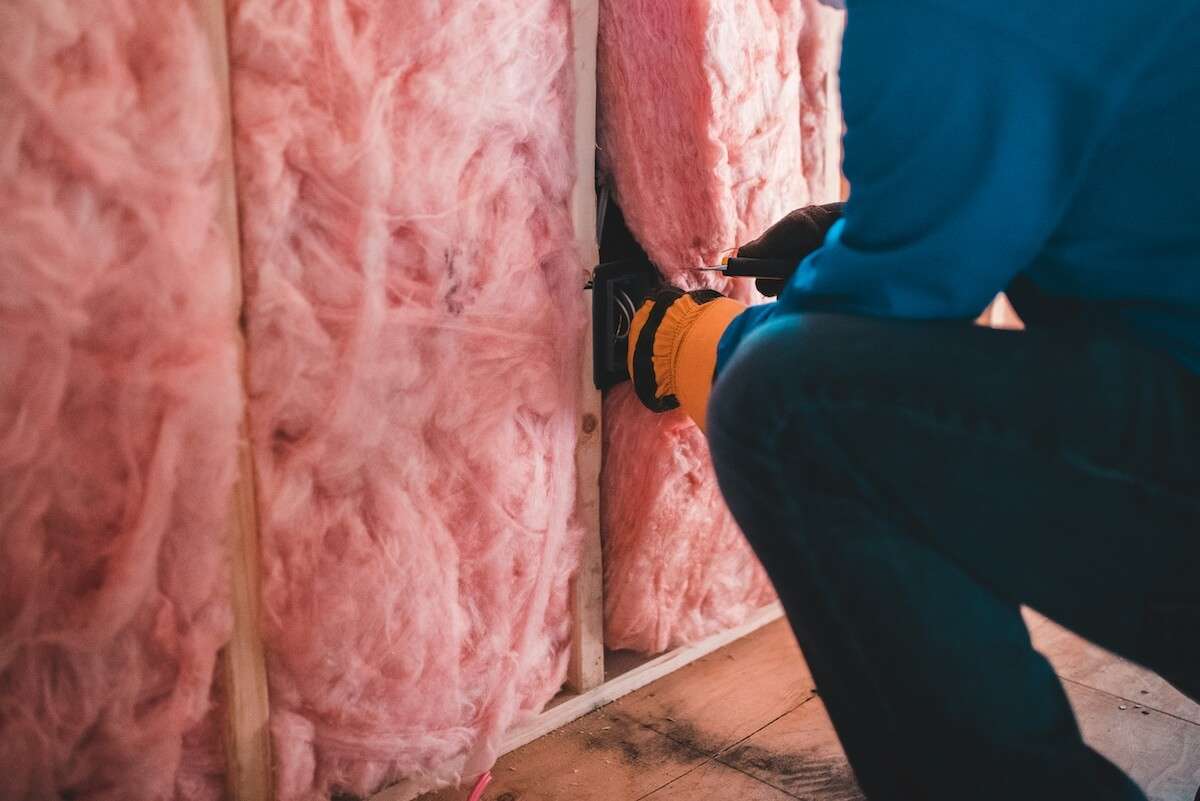
In the commercial property sector, energy efficiency drives compliance, profitability, and long-term asset value. Strategic insulation upgrades stand out as one of the most impactful ways to boost your Energy Performance Certificate (EPC) rating, reduce operational costs, and enhance market appeal. For landlords, property managers, and investors across the UK, insulation provides a powerful tool to meet regulatory demands and attract environmentally conscious tenants. At Vital Direct, we empower commercial property stakeholders with tailored solutions to achieve superior energy performance.
This article explores how insulation upgrades can transform your commercial property’s energy efficiency, offering actionable insights, benefits, and strategies to optimise your Energy Performance Certificate (EPC) rating. By focusing on thermal efficiency, building fabric, and Heating, Ventilation, and Air Conditioning (HVAC) performance, insulation delivers cost-effective improvements for sustainable, high-value properties.

Why Are Insulation Upgrades Essential for EPC Ratings?
Insulation upgrades directly enhance EPC ratings by reducing heat loss, lowering energy demand, and improving the building envelope. These improvements translate into measurable financial and environmental benefits, making insulation a strategic priority for property owners aiming to future-proof their assets and boost EPC rating scores cost-effectively.
An EPC rating, ranging from A (most efficient) to G (least efficient), provides a vital indicator of a commercial property’s energy performance. Under the UK’s Minimum Energy Efficiency Standards (MEES), non-domestic properties must achieve at least an E rating to be let, with ambitious targets for a B rating by 2030. Falling short can lead to significant fines, restricted leasing potential, and diminished property value. Conversely, a high EPC rating signals energy efficiency, boosting tenant appeal and marketability.
The Regulatory Push for Energy Efficiency
The UK government’s commitment to net-zero carbon emissions by 2050 has intensified scrutiny on commercial properties. According to the Department for Business, Energy & Industrial Strategy, MEES regulations are set to tighten, with proposals to mandate a minimum EPC B rating by 2030. Insulation upgrades provide a proactive step to meet these evolving standards, ensuring compliance and avoiding costly penalties.
How Does Insulation Improve Commercial EPC Scores?
Insulation improves commercial EPC scores by minimising heat transfer, enhancing thermal efficiency, reducing energy demand, and strengthening the building fabric. These factors are key components evaluated during EPC assessments, and targeted insulation upgrades can elevate ratings by multiple bands whilst delivering substantial operational cost savings.
Insulation serves as a cornerstone of energy efficiency, addressing multiple factors evaluated during an EPC assessment. By minimising heat transfer, insulation enhances thermal efficiency, reduces energy demand, and strengthens the building fabric, all of which contribute to a higher EPC rating.

Enhancing Thermal Efficiency
High-quality insulation, such as cavity wall or roof insulation, significantly reduces heat loss in winter and heat gain in summer. This improves the Simplified Building Energy Model (SBEM) score, a key component of EPC calculations. For instance, insulating critical areas like office spaces within a larger industrial building can elevate the overall EPC rating without the need for comprehensive upgrades, optimising cost-efficiency.
Reducing Energy Demand
Insulated buildings require less energy for heating and cooling, directly lowering carbon dioxide (CO₂) emissions and operational costs. According to the Carbon Trust, effective insulation can reduce energy consumption by up to 30% in commercial properties. This not only helps boost EPC rating performance but also delivers substantial savings on utility bills, enhancing tenant satisfaction and property value.
Upgrading the Building Fabric
The building envelope (walls, roofs, and floors) plays a significant role in EPC assessments. Upgrading insulation in these areas, such as installing insulated roofing in an industrial facility, can dramatically improve the envelope’s performance. This targeted approach ensures compliance with MEES whilst maximising energy savings, particularly in properties with high heating demands.
Optimising HVAC Efficiency
Well-insulated buildings reduce the strain on HVAC systems, leading to lower energy consumption. By maintaining stable indoor temperatures, insulation minimises the need for constant HVAC operation, further improving EPC scores and reducing maintenance costs.
What Are the Key Business Benefits of Insulation Upgrades?
Insulation upgrades deliver regulatory compliance, increased asset values (typically 10-15% higher), reduced operational costs, improved tenant retention, and alignment with Environmental, Social, and Governance (ESG) objectives. These combined benefits make insulation investment one of the most cost-effective strategies to boost EPC rating performance and long-term property profitability.
Investing in insulation upgrades offers a compelling blend of regulatory, financial, and environmental benefits for property owners and managers seeking to boost EPC rating outcomes.
Ensuring Regulatory Compliance
Compliance with MEES is non-negotiable. Properties failing to meet the minimum EPC E rating face leasing restrictions and fines of up to £150,000. Strategic insulation upgrades provide a clear path to compliance, positioning your property to meet current and future standards, including the proposed B rating by 2030.
Increasing Asset Value
Energy-efficient properties command higher valuations and rental yields. A Knight Frank report highlights that buildings with strong EPC ratings are more attractive to investors, often achieving 10-15% higher market values. Insulation upgrades are a cost-effective way to enhance your property’s appeal and long-term profitability.
Lowering Operational Costs
By reducing energy consumption, insulation upgrades translate into significant savings on utility bills. For example, insulating an industrial building’s roof can cut heating costs by up to 20%, directly benefiting tenants and boosting the property’s competitiveness in the leasing market.
Attracting High-Quality Tenants
Energy-conscious tenants prioritise properties with predictable operating costs and strong environmental credentials. A high EPC rating, achieved through insulation upgrades, signals efficiency and sustainability, making your property a top choice for businesses aligned with ESG goals.
Supporting ESG Objectives
Investors and lenders increasingly favour properties that align with ESG targets. Insulation upgrades reduce carbon footprints, helping property owners meet sustainability benchmarks and appeal to environmentally focused stakeholders. This alignment enhances access to green financing and strengthens market positioning. The UK Green Building Council provides comprehensive guidance on integrating energy efficiency measures into broader ESG strategies.

What Are the Best Insulation Types to Boost EPC Ratings?
The most effective insulation types include mineral wool, polyurethane foam, and phenolic foam for roofs and walls, along with cavity wall insulation and floor insulation for high-traffic zones. Material selection should balance thermal resistance (U-values), cost, durability, and environmental impact to maximise EPC improvements and return on investment.
Achieving optimal EPC improvements requires selecting high-performance insulation materials tailored to your property’s specific needs:
- Mineral wool: Excellent thermal and acoustic properties, ideal for walls and roofs
- Polyurethane foam: Superior thermal resistance with thin profiles, suitable for space-constrained applications
- Phenolic foam: Highest thermal performance per millimetre, perfect for premium upgrades
- Cavity wall insulation: Cost-effective solution for existing wall cavities
- Floor insulation: Particularly effective in ground-floor commercial spaces
The Royal Institution of Chartered Surveyors (RICS) offers technical guidance on insulation selection and building fabric improvements to help property professionals make informed decisions.
How to Implement Insulation Upgrades to Boost EPC Rating
Implementing effective insulation upgrades requires professional EPC assessment, prioritisation of high-impact areas, selection of appropriate materials, expert installation, and ongoing performance monitoring. This systematic approach ensures maximum EPC rating improvements at the lowest capital cost whilst maintaining compliance with evolving MEES regulations.
Vital Direct Limited offers a national Draft Predicted EPC service, designed to help property owners identify the most cost-effective insulation upgrades. Here’s how to get started:
- Conduct an EPC Assessment: Engage a qualified assessor to evaluate your property’s current EPC rating and pinpoint insulation deficiencies. Vital Direct’s bespoke service provides precise recommendations to achieve a B or A rating at the lowest capital cost.
- Prioritise High-Impact Areas: Focus on insulating key areas like roofs, walls, and floors in high-energy-use zones, such as office spaces within industrial buildings. Targeted upgrades often yield significant EPC improvements without extensive retrofitting.
- Choose the Right Insulation Materials: Opt for high-performance materials like mineral wool, polyurethane, or phenolic foam, which offer superior thermal resistance. Consult with experts to select materials that balance cost, performance, and environmental impact.
- Apply Professional Expertise: Partner with Vital Direct to design and implement insulation upgrades tailored to your property’s needs. Our team ensures compliance with MEES and maximises energy savings.
- Monitor and Maintain: Regularly assess insulation performance to ensure long-term efficiency. Schedule periodic EPC reassessments to track improvements and maintain compliance.
Future-Proofing Your Commercial Property
As the UK moves towards stricter energy standards, investing in insulation provides a proactive strategy to future-proof your commercial property. Beyond compliance, insulation upgrades enhance tenant satisfaction, reduce operational costs, and align with global sustainability goals. By acting now, you position your property as a market leader, ready to meet the challenges of 2030 and beyond.
Vital Direct Limited’s Draft Predicted EPC service empowers property owners to make informed decisions, ensuring insulation upgrades deliver maximum impact. Contact our team at Vital Direct to explore how we can help you achieve an A or B EPC rating with minimal investment.
Frequently Asked Questions
How much can insulation upgrades improve my EPC rating?
Insulation upgrades can improve EPC ratings by one to three bands, depending on the property’s current condition and the extent of improvements. Comprehensive roof and wall insulation in poorly insulated buildings often achieves the most dramatic improvements, whilst targeted upgrades in specific zones can still deliver meaningful rating enhancements cost-effectively.
What is the typical return on investment for commercial insulation upgrades?
Commercial insulation upgrades typically achieve payback periods of 3-7 years through reduced energy costs, with annual savings of 15-30% on heating bills. When combined with increased property values, improved tenant retention, and MEES compliance benefits, the total return on investment often exceeds 20% over a 10-year period.
Do insulation upgrades require planning permission?
Most internal insulation upgrades do not require planning permission. However, external wall insulation on listed buildings or properties in conservation areas may need listed building consent or planning approval. Always consult your local planning authority and building control before commencing work to ensure compliance with Building Regulations Part L.
Can I boost EPC rating through insulation alone or do I need other upgrades?
Many commercial properties can achieve one to two band improvements through insulation alone, particularly if currently poorly insulated. However, reaching A or B ratings from lower bands typically requires combining insulation with other measures such as LED lighting, efficient heating systems, or renewable energy installations for optimal results.
How long do commercial insulation upgrades take to install?
Installation timescales vary by property size and insulation type. Roof insulation in a typical 5,000 square foot commercial unit takes 1-2 weeks, whilst cavity wall insulation can often be completed in 2-3 days. Comprehensive whole-building upgrades may require 4-8 weeks, with phased installation available to minimise operational reshapeion.
Are there government grants available for commercial insulation upgrades?
Several schemes support commercial energy efficiency improvements, including the Public Sector Decarbonisation Scheme for public buildings and local authority grants. Private sector properties may access green finance options and enhanced capital allowances. Eligibility varies by scheme, property type, and current EPC rating, so consult specialist advisors to identify available funding.
Conclusion
Strategic insulation upgrades represent a highly effective pathway for commercial property owners seeking to boost EPC rating performance. By enhancing thermal efficiency, reducing energy demand, and strengthening the building fabric, insulation delivers measurable financial and environmental benefits. With the expertise of Vital Direct Limited, you can navigate the complexities of energy efficiency, achieve compliance, and maximise the full potential of your property. Act now to transform your building’s performance and secure its place in a sustainable future.